November 25, 2026
Harnessing AI for good
Children’s Cancer Institute of Australia continues its tremendous work.
While much has been made of possible or perceived threats from AI, the Zero Childhood Cancer Program is utilising it to great effect in the ongoing fight against childhood cancer.
Share article
There is no shortage of foreboding in the press these days at the very mention of AI. Fears of dystopian futures at the hands of renegade ‘bots’ make for great tabloid fodder, but stories of AI being used to help produce positive outcomes also abound.
Researchers at the Children’s Cancer Institute and its Zero Childhood Cancer Program (ZERO) are utilising AI to help accelerate outcomes in their extraordinary work in fighting childhood cancers. Called ‘precision medicine’, the targeted approach of ZERO means that scientists look at each individual child’s cancer at a molecular level in an attempt to discern what is driving the cancer’s progression. This in turn leads to tailoring treatments to each child rather than the much broader approach or treating all cancers the same way which was more traditionally employed.
By recognising that each child and indeed each cancer has very different characteristics, CCI and ZERO have been able to make great strides in the treatment of childhood cancer, targeting specific cancers and sparing young patients unnecessary and often harmful treatments along the way.
There are now more than 3000 children enrolled on ZERO, and each child generates an extraordinary amount of information about their cancer. From genomic data to clinical outcomes, this vast amount of information can be used to further the work of researchers, but the sheer scale and complexity of the data is far beyond what the human mind can interpret alone – which is where the use of AI is proving invaluable.
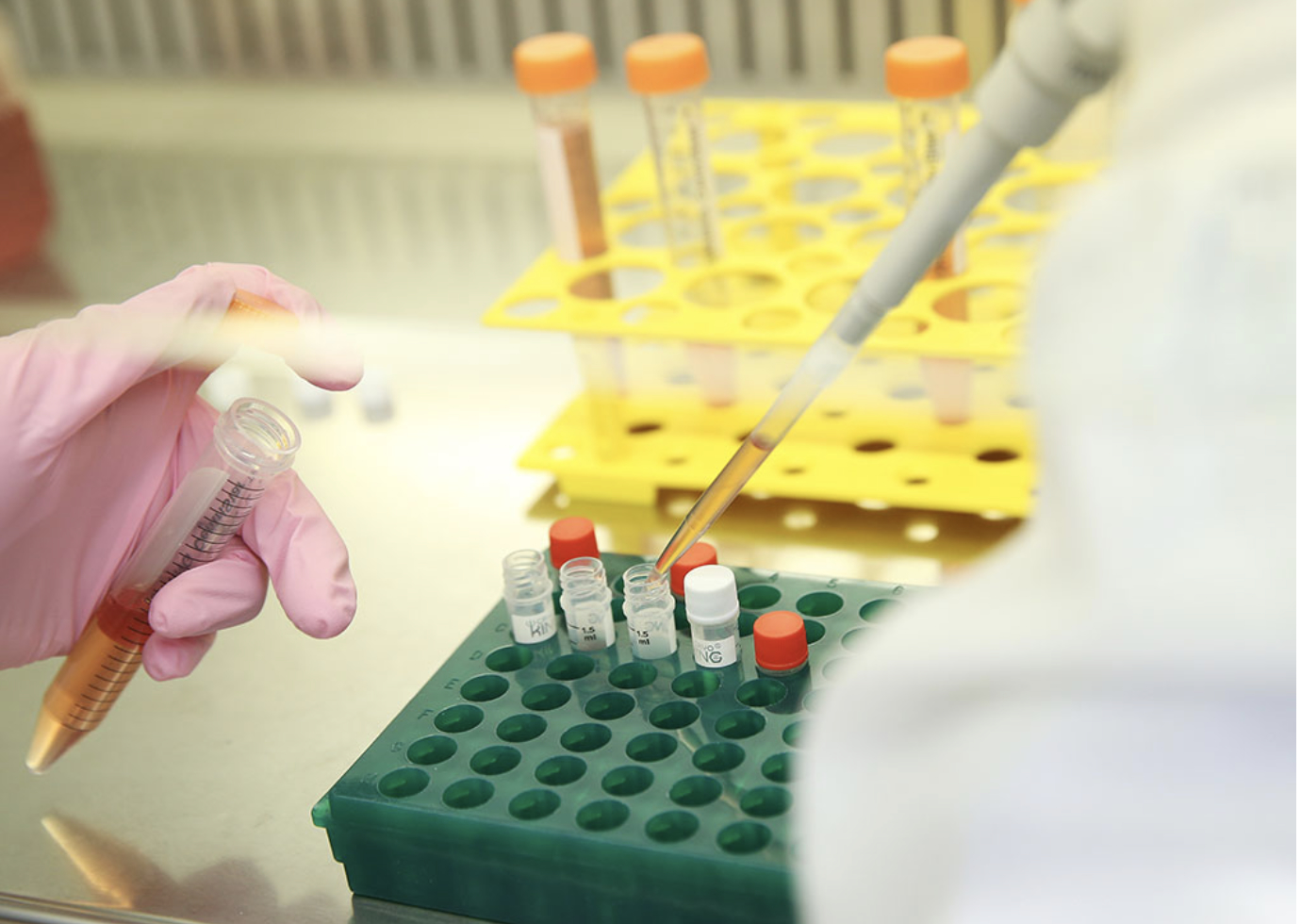
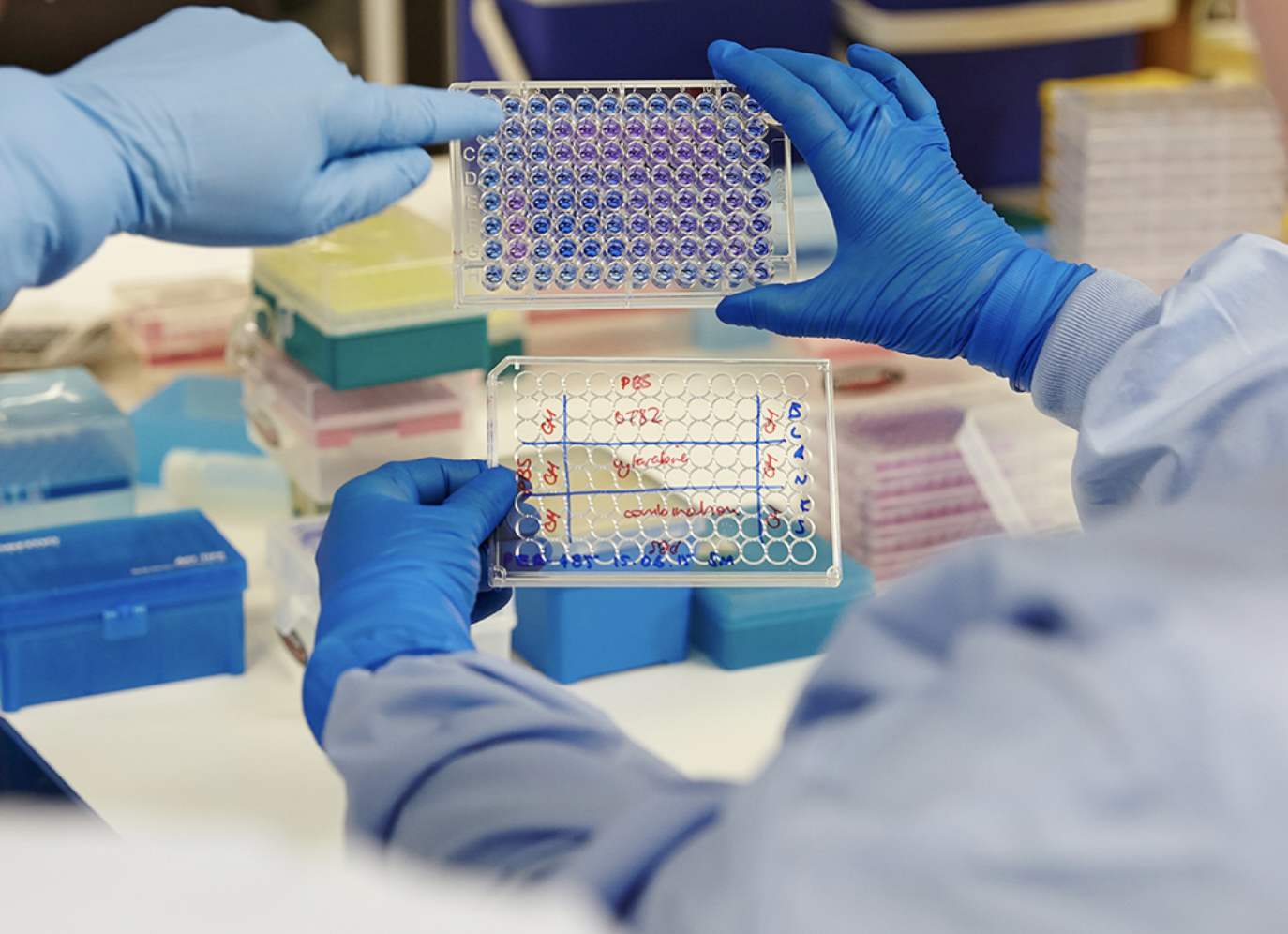
The use of AI is being successfully employed by researchers to help process the vast amounts of data being collected, recognising patterns in how cancers grow and respond to treatment as well as identifying hidden vulnerabilities in tumours that can then be targeted directly. This in turn allows clinicians to better match children to the most effective treatments for their specific cancers.
The results already speak for themselves, but the possibilities going forward are also exciting. This use of advanced technology could also help to dramatically reduce the time it takes to find a treatment for each child and help discover new treatment approaches.
New AI tools might also be able to help predict how cancers might behave before they do, which would enable earlier intervention.
So while in some quarters AI is being projected as a potential threat to the future, there is no doubting its impact in the fight to not only treat but ultimately banish childhood cancers to the past.
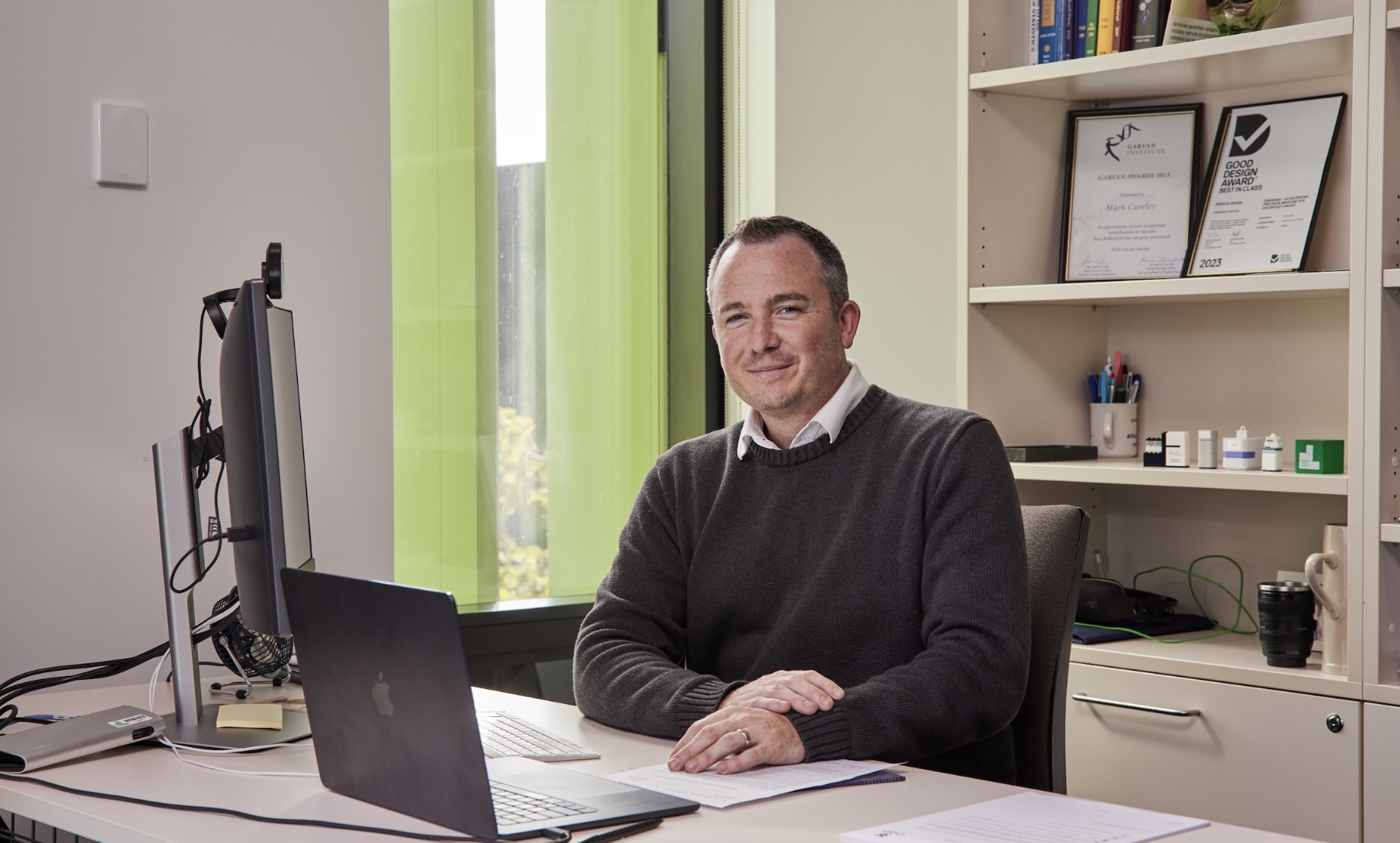
Professor Mark Cowley, Deputy Director at Children’s Cancer Institute sums it up best:
“We’re using big data and AI as a powerful tool for good.”
And in this fight, even weapon must be employed.